Columbia University operates on a semester‑based academic calendar that compresses a dense core curriculum, elective options, and research opportunities into two primary terms and a flexible summer session. New and returning undergraduates quickly discover that mastering the timing of registration, exam weeks, and holidays can make the difference between a manageable workload and a semester‑long scramble.
Map the Calendar Before You Enroll

The official calendar divides the year into Fall (late August – early December), Spring (late January – mid‑May), and Summer (various 4‑week or 8‑week sessions). Key deadlines—registration, add/drop, tuition payment, and withdrawal—are posted well in advance, but they shift slightly each year. Students who bookmark the Columbia Academic Calendar and set reminders for these dates avoid late‑fee penalties and the loss of critical advising windows.
Register Early, Yet Keep Room for Flexibility
Early registration guarantees a seat in high‑demand courses, but it also locks you into a schedule that may clash with extracurricular commitments or emerging research projects. The safest approach is to:
- Identify core requirements first. Prioritize required Core Curriculum courses and major prerequisites before filling elective slots.
- Leave a “buffer” period. Reserve at least one open time block each week for study groups, office hours, or unexpected opportunities.
- Use the add/drop window wisely. Columbia offers a 7‑day add/drop period; treat it as a trial run to test course load and professor style.
Core Curriculum Timing and Workload Management
The Core Curriculum is the academic backbone of every Columbia undergraduate experience. Because Core courses are spread across both semesters, students often underestimate the cumulative reading load. To stay ahead:
- Start each Core assignment within the first two days of the week; the reading volume is designed for a 3‑hour daily commitment.
- Form or join a Core study group early. Peer explanations can cut study time by up to 30 %.
- Leverage the university’s digital library and annotated lecture notes; they are updated each semester and reduce the need for extra research trips.
Summer Sessions: Opportunity and Trade‑offs
Columbia’s summer offerings range from intensive 4‑week courses to longer 8‑week classes that can accelerate graduation or provide a lighter load for the regular semesters. While a summer term can free up space in Fall or Spring, it also compresses material, demanding a higher weekly hour commitment. Students should weigh the financial aid implications—some scholarships are prorated for summer credit—and consider whether the accelerated pace aligns with their personal stamina.
Practical Tips for Staying on Track
Balancing Columbia’s rigorous schedule requires more than just calendar awareness; it demands systematic habits.
- Weekly audit. Every Sunday, review upcoming deadlines, reading assignments, and any professor announcements posted on Canvas.
- Digital reminders. Set up calendar alerts for exam weeks (midterms in week 7, finals in week 15) and for the “Reading Day” blackout period.
- Advisor check‑ins. Schedule a brief meeting at the start of each term to confirm you’re meeting major milestones and to explore alternate course pathways if needed.
Beware of Common Pitfalls
Even diligent students fall into traps that can derail a semester:
- Over‑booking electives. Filling every available slot with “interesting” classes can lead to burnout when Core and major courses spike simultaneously.
- Ignoring the “Late Withdrawal” policy. Dropping a course after the official deadline still incurs a “W” on your transcript, which can affect GPA calculations for scholarships.
- Under‑estimating travel time. Campus buildings are spread across Manhattan; factor commute time into your schedule, especially if you rely on public transit.
By treating Columbia’s academic calendar as a strategic tool rather than a static timetable, students gain control over their workload, preserve mental bandwidth for research and extracurricular pursuits, and ultimately extract greater value from their Ivy League education.
Columbia Puffect Ii Hooded Jacket 010 - Trekking Jackets | Nencini Sport

Columbia Puffect Ii Hooded Jacket 010 - Trekking Jackets | Nencini Sport
Columbia Pictures Site Officiel – TVHG

Columbia Pictures Site Officiel – TVHG
PFG OPEN WATER™ SHORT OVERALL – Columbia Sportswear Panamá

PFG OPEN WATER™ SHORT OVERALL – Columbia Sportswear Panamá
Columbia Zigzag 30L Backpack | Mark's
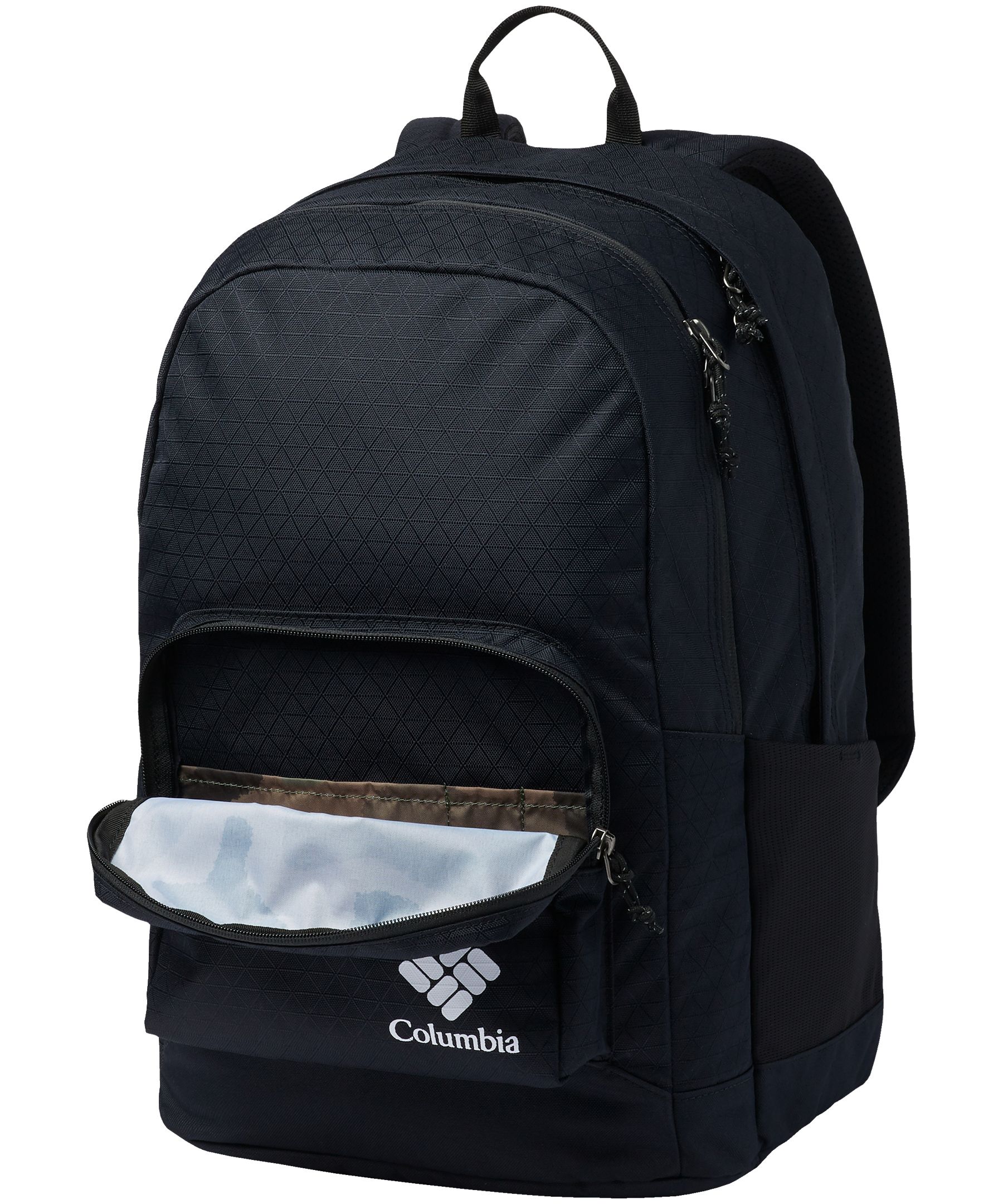
Columbia Zigzag 30L Backpack | Mark's